

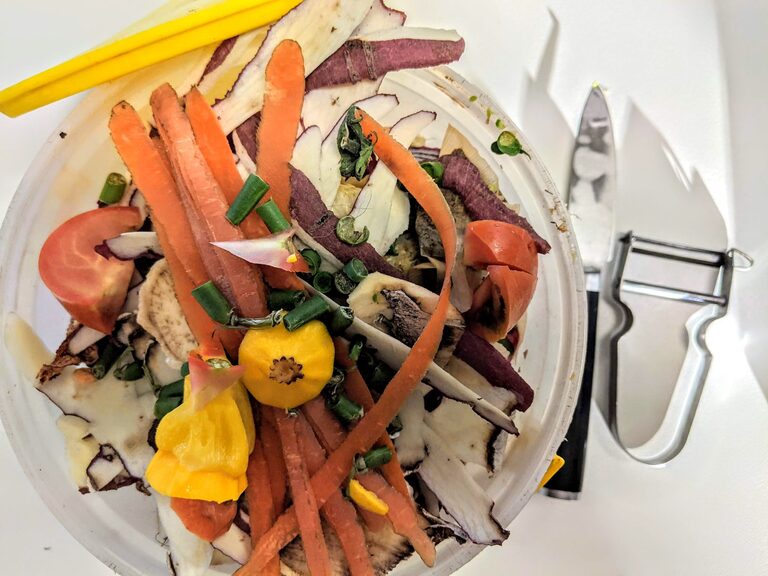
Reducing food waste at home is not only good for your wallet but also helps the environment by conserving resources and reducing landfill waste. With a few smart habits and careful planning, anyone can make a positive impact. Here are practical ways to minimize food waste in your daily routine.
Understand the Impact of Food Waste
Before diving into solutions, it’s useful to understand why food waste matters. When food is thrown away, all the water, energy, and labor used to produce it are wasted as well. Additionally, decomposing food in landfills produces methane, a potent greenhouse gas. Reducing food waste helps conserve resources and lowers your carbon footprint.
Plan Your Meals Smartly
Create a Weekly Meal Plan
Planning your meals ahead reduces impulse buys and ensures you only purchase what you need. Write down recipes and ingredients for the week and stick to your list when shopping.
Shop with a List
Make a shopping list based on your meal plan. Checking your pantry and fridge before shopping also helps avoid buying duplicates.
Buy in Appropriate Quantities
Avoid bulk purchases of perishable items if you don’t plan to use them quickly. Smaller, more frequent trips can prevent excess food from spoiling.
Store Food Properly
Keep Fruits and Vegetables Fresh Longer
Store produce in the right spot. Some fruits emit ethylene gas, which speeds ripening, so keep ethylene-producing fruits separate from others. Use crisper drawers and airtight containers to maintain freshness.
Use Clear Storage Containers
Storing leftovers or prepped food in transparent containers helps you see what you have, reducing forgotten food that spoils.
Label and Date Your Food
Labeling leftovers with the date helps track how long they’ve been stored, so you can prioritize eating older items first.
Practice Smart Cooking and Eating Habits
Cook in Appropriate Portions
Avoid cooking more than you or your family can eat in one meal. If making large portions, plan to save leftovers for later use.
Use Leftovers Creatively
Transform leftovers into new meals like soups, stir-fries, or sandwiches. This not only prevents waste but can add variety to your menu.
Serve Smaller Portions
Starting with smaller portions reduces uneaten food on plates. You can always add more if needed.
Manage Expiry Dates Wisely
Understand “Best Before” vs. “Use By”
“Best before” indicates quality, not safety — many foods are still safe to eat after this date. “Use by” is about safety. Knowing the difference prevents premature disposal.
Rotate Stock for Older Items
When restocking your pantry or fridge, place newer items behind older ones so you use older food first.
Preserve Food for Longer Use
Freeze Surplus Items
Freeze leftovers, bread, fruits, and vegetables before they spoil. Properly wrapped, frozen food can last much longer.
Can or Pickle Surplus Produce
Preserving food through canning or pickling extends its shelf life and provides delicious options later.
Dry Herbs and Fruits
Drying herbs and fruits is another way to extend shelf life and avoid waste.
Compost Food Scraps
Collect Scraps for Composting
Instead of throwing food scraps in the trash, start a compost bin for vegetable peels, coffee grounds, and other compostable waste.
Use Compost in Your Garden
Compost enriches soil and reduces waste, turning scraps into valuable nutrients for your plants.
Educate Your Household
Involve Family Members
Teach everyone in your household about the importance of reducing food waste. Encourage participation in meal planning, cooking, and composting.
Keep Awareness Visible
Post reminders or tips on the fridge to reinforce good habits.
Benefits of Reducing Food Waste at Home
Cutting down food waste has clear benefits beyond environmental impact:
– Saves money by buying and wasting less food
– Frees up space in your fridge and pantry
– Encourages healthier meal planning and cooking
– Contributes to reducing global food insecurity by using resources wisely
—
Reducing food waste doesn’t require drastic changes. By planning, storing, and using food thoughtfully, your household can make a big difference. Starting with small, manageable habits can lead to lasting positive change for you and the planet.