

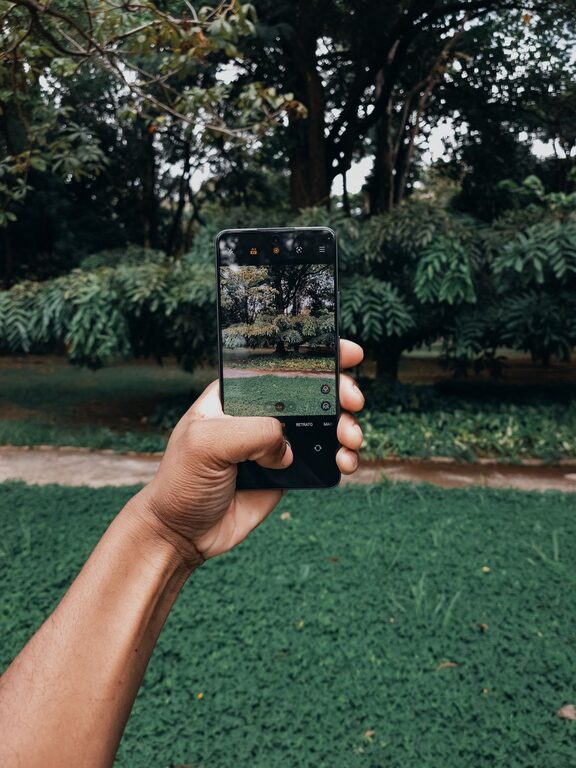
Taking great photos with your phone is easier than you might think. With advances in smartphone cameras, anyone can capture beautiful images—even without a professional camera. If you’re new to phone photography or just want to improve your skills, this guide will walk you through some beginner tips to help you take better photos today.
Understand Your Phone Camera
Before you start snapping photos, spend a few moments exploring your phone’s camera features. Most modern smartphones come with several modes such as portrait, panorama, and night mode. Knowing when and how to use these modes can drastically improve your pictures.
– Explore camera settings: Adjust resolution, grid lines, and focus options.
– Use the grid: Turning on the grid lines helps you follow the “rule of thirds” to create balanced and interesting compositions.
– Try different modes: Experiment with portrait mode for blurred backgrounds or night mode for better low-light shots.
Keep Your Lens Clean
It’s a simple but often overlooked step—clean your phone’s camera lens regularly. Fingerprints, dust, and smudges can make your photos look hazy or blurry. Use a soft, lint-free cloth for cleaning, like a microfiber cloth.
Find Good Lighting
Lighting is one of the most important factors in photography. Natural light generally looks the best, so try to shoot photos outdoors or near windows when possible.
– Avoid harsh midday sun: It can create strong shadows and highlights.
– Use soft light: Early morning or late afternoon has gentle, warm light that enhances colors.
– Avoid backlighting: Position your subject so the light source is behind you, not behind the subject.
Focus Properly
Most smartphones let you tap the screen to focus on a specific area. This helps ensure the subject is sharp and clear.
– Tap to focus: Before taking the picture, tap on your subject on the screen.
– Lock focus: Some phones have focus lock to prevent the camera from refocusing automatically—you can use this when you want consistent focus.
Keep Your Phone Steady
Blur can ruin an otherwise good photo, especially in low light. Keep your phone as steady as possible when shooting.
– Use both hands: Hold your phone with both hands to reduce shake.
– Lean on a solid surface: Rest your elbows or lean against a wall.
– Try a tripod: Affordable phone tripods are great for steady shots.
Compose Your Shot Thoughtfully
Composition is about arranging elements in the frame to create an appealing photo.
– Apply the rule of thirds: Imagine your screen divided into a 3×3 grid and place your subject along these lines or intersections.
– Look for leading lines: Roads, fences, or rivers can guide the viewer’s eye into the photo.
– Fill the frame: Move closer to your subject or zoom in to eliminate distractions.
Experiment with Angles and Perspectives
Don’t just take photos from eye level. Try different angles to add interest.
– Shoot from low angles: This can make subjects look larger or more dynamic.
– Try overhead shots: Great for food or flat lay photography.
– Capture reflections: Water, windows, or mirrors can add creative effects.
Use Zoom Sparingly
Most smartphone cameras use digital zoom, which can reduce image quality. Instead, physically move closer to your subject when possible.
Edit Your Photos
Basic editing can enhance your images and bring out the best in them.
– Crop and straighten: Improve composition by removing unwanted elements or aligning horizons.
– Adjust brightness and contrast: Make photos look more vibrant.
– Use filters carefully: Choose subtle filters that enhance rather than overpower the photo.
– Edit with apps: Popular free apps include Snapseed, VSCO, and Lightroom Mobile.
Practice Regularly
Like any skill, photography improves with practice. Take photos daily and review what works and what doesn’t. Don’t be afraid to experiment with different subjects, lighting conditions, and settings.
Final Thoughts
Capturing great photos with your phone is a rewarding hobby that anyone can enjoy. By understanding your camera, paying attention to light and composition, and practicing regularly, you’ll see your photos improve quickly. Remember, the best camera you have is the one in your pocket—so get out there and start shooting!